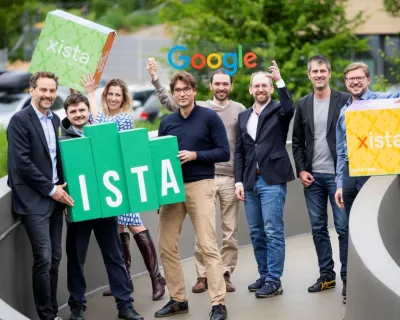
we turn frontier science into transformative ventures

Video file
Fall
in
love
with
the
problem
not
the
technology
Fall
in
love
with
the
problem
not
the
technology
Fall
in
love
with
the
problem
not
the
technology

why XISTA

We believe in the power of scientific progress for the benefit of all of us. And we believe in the need to drive the translation of science into impactful innovation. We’ve launched XISTA to do exactly that. We don’t think in silos. We cross boundaries, fields, disciplines, and ways of thinking.
Anchored at the Institute of Science and Technology Austria, we work across the innovation ecosystem and welcome any scientific founder. We connect scientists, entrepreneurs, investors, and the wider community, creating a place where ideas can move, grow, and become real.

Image
mission_abstract

XISTA facts

29
companies
in our ecosystem
450
jobs created
96
Mio € assets under management
700
Mio € value created
18
core team members
42
nationalities across our ecosystem

from science to industry

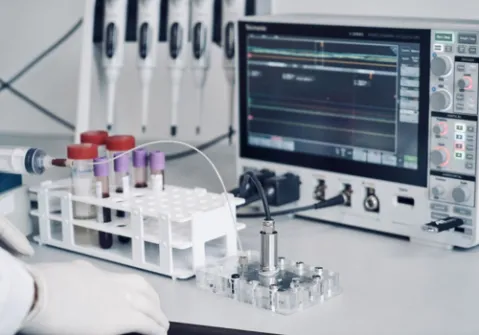
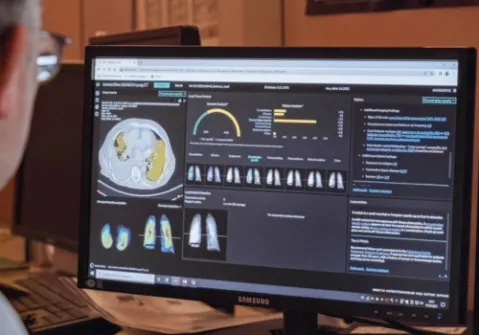
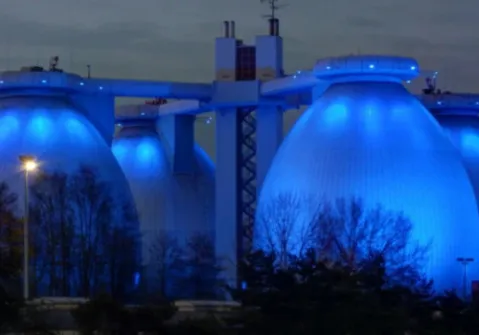
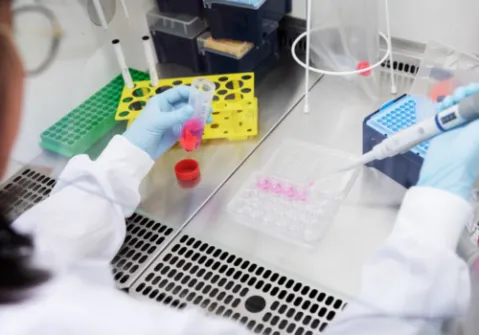
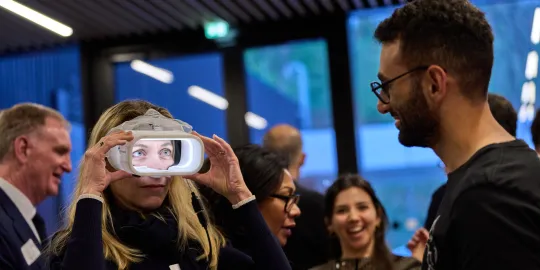
We have a broad scientific footprint across biology, chemistry, materials, physics, computational sciences and AI. The boundaries between research fields are shifting, creating new intersections and unexpected breakthroughs. XISTA turns this momentum into solutions that meet real industry needs, driving innovation inLife Science and Health Technology and Industrial Technology
life science
physics
chemistry
computational science

what we offer


At XISTA we support researchers and founders who want to develop science into real-world innovation. We provide early exposure to the venture path, focused incubation, access to experienced mentors and practical training where it matters most.
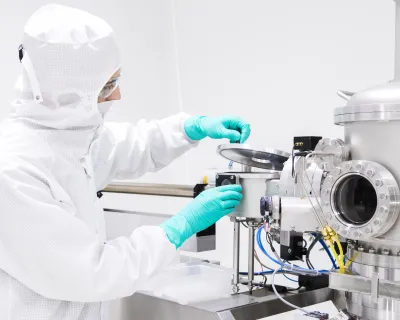
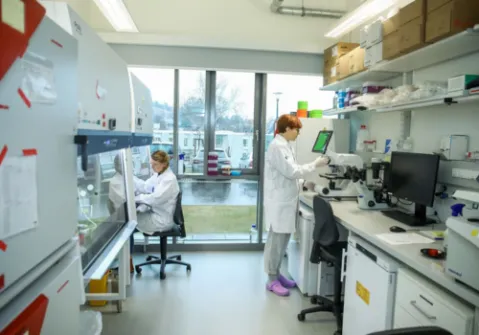
Our infrastructure includes dedicated lab and office space as well as the equipment needed for life science and engineering projects. When a team is ready to advance, XISTA Science Ventures can offer early investment and long-term support.
Together these elements create a setting where deep-tech ideas can take shape, grow and move toward application with clarity and confidence.
 

Image
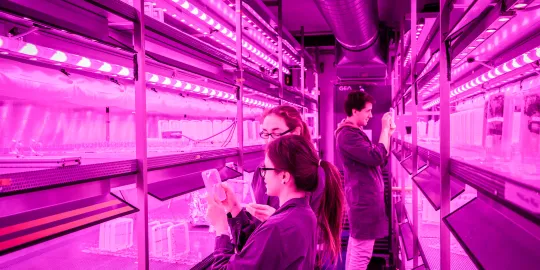
facilities at ISTA

infrastructure & labs

We provide the spaces and facilities that help science and innovation grow together. At XISTA, infrastructure means possibility. Our spaces and facilities connect scientists, founders, and partners working to turn ideas into reality.
More about infrastructure & labs
Image
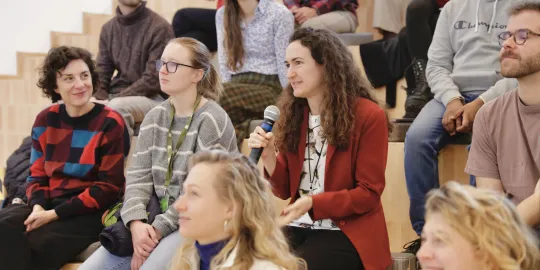
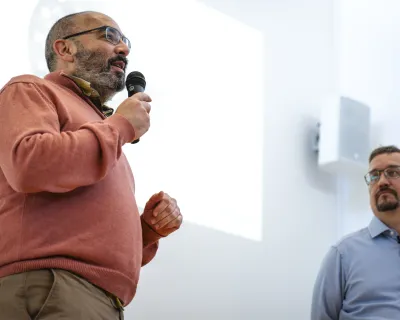
xistatalk

awareness & community

We bridge science and innovation, sparking visibility and connections across disciplines.
We offer a wide range of formats, spanning major flagship gatherings, hands-on community actions, and smaller, more personal dialogue sessions.
More about awareness & community
Image
Awareness and community

incubation & mentoring

At XISTA, we turn science into ventures, and support the people behind them. Our programs give researchers the space, guidance, and confidence to explore entrepreneurship, backed by mentors who understand both science and business.
More about incubation & mentoring

programmes & resources

Our programs and resources create the bridge between research and entrepreneurship, giving scientists the tools and confidence to take the next step. 

Image
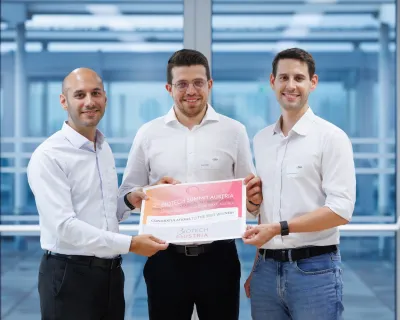
the three founders of xbio

xbio

xbio is our national entrepreneurship program for life scientists. It combines practical training, mentorship, and investor access to help researchers translate discoveries into ventures. Participants join a growing community of peers, founders, and experts shaping the future of science-driven innovation.
More about xbio
Image
Alexander Pekarsky

XISTA fellowship

The XISTA Fellowships give scientists the space and support to transform promising ISTA research into startup opportunities. For 12–18 months, Fellows work closely with xista innovation to shape a business strategy while running key validation experiments. With mentorship, expert networks, and access to ISTA’s facilities, the program helps founders develop a clear proof of concept and prepare for successful company formation.
More about XISTA fellowship
Image
quilab

quantum i lab

The Quantum iLab supports researchers in turning quantum ideas into commercial opportunities.
From first concepts to venture-ready paths. Open to Master’s students, postdocs, PIs and researchers from neighbouring fields such as computer science and engineering, it brings together leading institutions, industry partners, investors and accelerators across Austria and beyond.
Participation is free for researchers from partner institutions, with additional options available upon request.
More about quantum i lab
Image
e101

innovation bridge program

We are forming ambassadors. The Innovation Bridge Program is a joint initiative by XISTA Iand ISTA to empower PhD and Postdoc researchers to act as innovation catalysts within their research clusters on campus.
More about innovation bridge program
Image
test

e101

We offer personal science-entrepreneurship mentoring with our innovation leads, exclusively available to the ISTA community
More about e101
Image
bii

venture lab in collaboration with BII

Through our collaboration with the BioInnovation Institute in Denmark, Venture Lab gives researchers funding, guidance, and a strong network to take the first steps toward a startup. You gain access to the BII community, expert support, and the connections needed to mature your science and get investment-ready.
More about venture lab in collaboration with BII
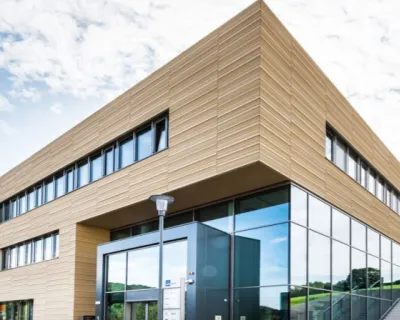
Image
F&E Architekten/ Robert Oberbichler

science startup space

Perks of having a home at XISTA Science Park?
A thriving international campus just across the bridge, vibrant life, active research, and world-class facilities within reach.
On site, teams get functional lab space, reliable infrastructure, and fast support. As well as community infrastructure, meeting rooms, and food pop-ups at lunchtime.
Scientists and founders work side by side, close to talent, ideas, and partners. It’s a place where research meets business without friction, giving science-driven companies what they need to grow and scale.
More about science startup space
Image
facilities

scientific services

The Scientific Service Units (SSUs) at ISTA bring together all state-of-the-art facilities that support research across the institute. They provide the infrastructure, expertise, and technical services that enable scientists to work efficiently and at the highest level. By centralizing equipment and specialized know-how, the SSUs ensure that research groups can access advanced technologies without unnecessary duplication of resources.More than 140 experts across ten units continuously develop and adapt their services to meet the evolving needs of ISTA’s growing scientific community.
More about scientific services

people

We talk the language of scientist and investor which makes us a unique partner to fuel founders’ deep tech ideas and help them to build exciting, scalable companies. We have a deep understanding of academic spin-offs and the deep tech founders landscape, we have the ability to view, recognise, analyse and propel companies to the next stage. We encourage the cross-fertilisation of startups to inspire new discoveries, we learn and profit from each other. 

Image
Team

XISTA´s team - literally on the bridge between science and entrepeneurship. 
(c) Andreas Jakwerth

companies

Our companies shaping and growing within the XISTA ecosystem.

Solgate

backed by fund I
Life Science
On Site

Transporters move life across cell membranes and remain one of biology’s largest untapped drug classes. Solgate combines molecular biology and chemistry to unlock solute carrier targets connected to neurological and immune diseases. 
 The company applies an iterative fragment to hit process that opens new chemical space for therapies once considered unreachable. 
 A spin off from CeMM and the Institute of Science and Technology Austria, Solgate was founded by members of the RESOLUTE consortium and unites deep transporter biology with contemporary drug design. 
 

More about Solgate
Image
solgate

Ribbon Bio

backed by fund I
Life Science

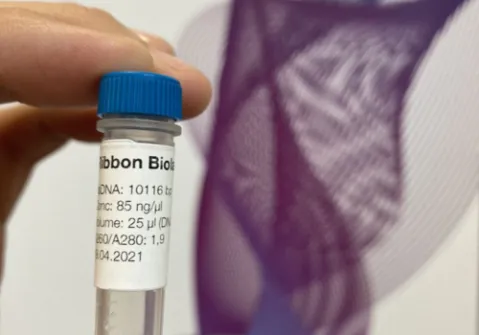
DNA synthesis defines the speed of modern biotechnology. Ribbon Biolabs has developed an automated platform that produces long and complex DNA sequences with precision and at scale, overcoming the limits of chemical synthesis. 
 By accelerating access to synthetic DNA, the company enables faster development in fields from biopharmaceuticals to sustainable materials and food production. 
 Founded in Vienna by Harold de Vladar and Wladimir Labeikovsky, Ribbon Biolabs brings advanced molecular biology and automation together to power the next generation of synthetic biology. 
 

More about Ribbon Bio
Image
ribbon

Prewave

backed by fund I
Industrial Tech

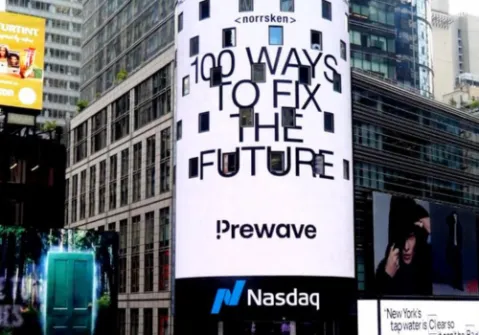
Supply chains react to risk long after it happens. Prewave brings foresight. 
 Using natural language processing across more than fifty languages, it tracks over one hundred risk categories including labor unrest, financial instability, environmental incidents and political tension. 
 Spun out of TU Vienna by Lisa Smith and Harald Nitschinger, Prewave transforms global noise into actionable intelligence for transparent and resilient supply networks. 
 

More about Prewave
Image
prewave

Syntropic Medical

backed by fund I
Life Science
On Site

How can light spark a deep-tech revolution for depression and other psychiatric conditions? Not through daylight or heat, but through precisely engineered optical signals that activate immune cells inside the brain and drive targeted neural repair.
Syntropic develops noninvasive and nonpharmaceutical devices that use this controlled optical stimulation to activate immune cells and promote neural remodeling, opening new treatment paths for psychiatric disorders. Early results indicate long lasting recovery without side effects in conditions such as depression.
Founded at the Institute of Science and Technology Austria by Mark Caffrey, Jack O’Keeffe, Alessandro Venturino and Professor Sandra Siegert, Syntropic brings together neuroscience, optics and immunology in a single therapeutic approach.

More about Syntropic Medical
Image
sntropic

VALANX

backed by fund I
Life Science
On Site

What if biologic drugs could be designed and built with absolute precision? Valanx uses synthetic biology and genetic code expansion to control exactly where and how many modifications are added to a protein—turning protein conjugation into a predictable, programmable step rather than a limitation. This enables more effective, safer and consistently manufactured biologics. By incorporating proprietary synthetic amino acids into proteins in E. coli and CHO cells, Valanx enables fast, reliable conjugation through click chemistry, opening the path to drug formats that conventional technologies cannot produce. Founded out of the Technical University of Graz by Michael Lukesch, Valanx is translating high-precision protein engineering into real applications for next-generation biologics, supported by early industry interest and seasoned advisors including Pascal Deschatelets of Apellis Pharmaceuticals. 
 

More about VALANX
Image
valanx

ORA Computing

backed by fund II
Industrial Tech

Modern artificial intelligence models are powerful but too large for everyday devices. Ora Computing compresses and optimizes these models so they can run efficiently on phones, cars and edge hardware without loss of performance. 
 The result is faster, private and energy efficient intelligence across industries. 
 Founded by researchers from the Institute of Science and Technology Austria, ETH Zurich and Harvard with experience at Apple, Citadel and Pasqal, Ora Computing turns model theory into deployable infrastructure. 

 

More about ORA Computing
Image
ora

Sarcura

backed by fund I
Life Science
Retired

Sarcura set out to tackle one of the toughest challenges in advanced medicine: how to manufacture cell therapies at scale. With an interdisciplinary founders team and a research-derived, innovative product for a growing market, they aimed to miniaturize and automate cell therapy production on a chip. At xista science ventures, we are proud to have supported this journey from its early days, providing capital, infrastructure, and a place in our community. While Sarcura will not continue as a company, it's achievements and people remain part of our ecosystem as a Retired Innovation Pioneer. This is the reality of science-driven entrepreneurship: not every venture reaches the market, but each one advances the frontier for those who follow.
 

More about Sarcura
Image
sarcura

Rivus Batteries

backed by fund I
Industrial Tech

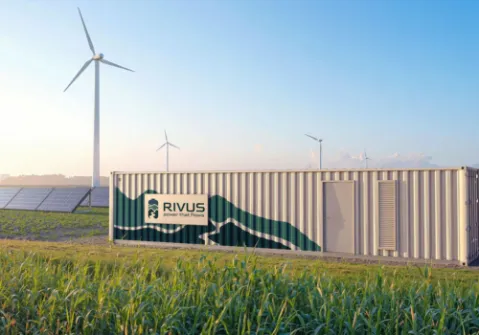
The energy transition needs storage that scales without scarcity. Rivus Batteries develops organic flow batteries made from safe and abundant materials that are non flammable, non corrosive and fully recyclable. 
 Their chemistry improves with scale, unlike metal based batteries that grow costlier and less sustainable. 
 Founded by Cedrik Wiberg and Andreas Kölling, the Chalmers University spin off brings years of electrochemistry research to the edge of commercialization. 


More about Rivus Batteries
Image
rivus

Subdron

backed by fund I
Industrial Tech

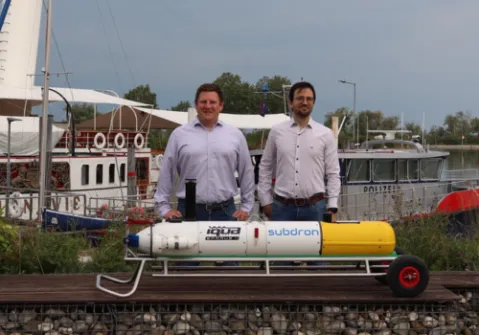
Below the waterline lies untapped potential for efficiency. Subdron builds autonomous underwater drones that inspect ship hulls and port structures, detecting biofouling and damage through artificial intelligence and precision sensing. 
 Reducing drag means reducing fuel use and emissions. The technology could cut fuel consumption by up to forty percent in a sector responsible for nearly three percent of global carbon output. 

 Built on research from STO CMRE, the University of Oldenburg and Fraunhofer IBMT, Subdron’s team merges robotics and marine engineering to modernize underwater maintenance. 


More about Subdron
Image
subrone

Cellectric

backed by fund I
Life Science

The cell is the core of biology. Cellectric builds the tools to read and control it.
By uniting electrodynamics with biotechnology, Cellectric develops technologies that enable fast, precise analysis and modulation of living cells. These capabilities open new pathways for detecting infections earlier, understanding cellular behavior more deeply, and ultimately improving therapeutic decision-making.
Founded as a spin-off from the Austrian Institute of Technology by Klemens Wassermann and Terje Wimberger, Cellectric transforms award-winning research into practical systems built for the next generation of diagnostics and personalized medicine.
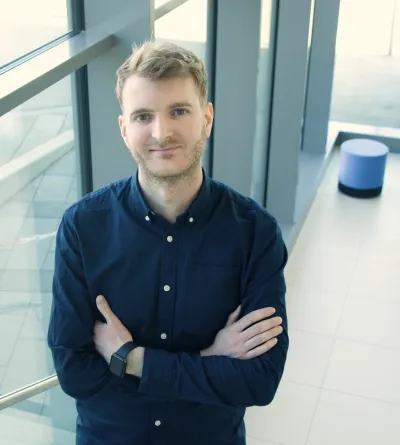
 

More about Cellectric
Image
celle

Contextflow

backed by fund I
Life Science

Radiology is becoming data science. Contextflow builds deep learning tools that read three dimensional medical images at scale, not to replace radiologists but to extend their reach. 
 Its CE approved software SEARCH recognizes nineteen distinct lung patterns in CT scans, cutting average reading time by about a third and supporting more consistent diagnostics. 
 Founded in 2016 by Markus Holzer, René Donner, Georg Langs and Allan Hanbury as a Medical University Vienna and TU Vienna spin off, Contextflow shows how collaboration between human and algorithm can upgrade healthcare infrastructure itself. 


More about Contextflow
Image
contextflow

VERTUS energy

Industrial Tech
On Site

Waste is becoming a resource. Vertus Energy uses microbial engineering to turn organic waste into clean, dispatchable energy, not by replacing biogas plants but by making them dramatically more efficient.Its platform steers the behavior of bacterial communities inside anaerobic digesters, accelerating biomethane production and increasing output from the same amount of waste. The result is faster and more consistent renewable energy generation and a smarter way to run circular economy infrastructure. BRIO, their first technology, operates inside an anaerobic digester and enables up to three times more waste processed and up to sixty percent greater energy recovery.

Founded by Dr Danilo Pérez, Freddy González and Benjamin Howard, Vertus Energy shows how industrial biotechnology can upgrade the foundations of the global energy system itself.

More about VERTUS energy
Image
vertus

GST antivirals

backed by fund I
Life Science

Viruses cannot live on their own, they depend entirely on the host cell. G.ST Antivirals blocks their access to cellular nutrients, stopping replication at the source. 
 This approach has shown strong preclinical efficacy against respiratory tract infections and opens a path to broad spectrum antivirals that are both potent and resistant to resistance. 
 The company was founded in 2019 by Guido Gualdoni and Johannes Stöckl out of the Medical University of Vienna, turning fundamental research in metabolism into a new antiviral strategy. 
 → G.ST Antivirals on xista 


More about GST antivirals
Image
gst

Neurolentech

backed by fund I
Life Science
On Site

The human brain cannot be biopsied, but its cells can be grown. Neurolentech builds living models of neurodevelopmental disorders from patient derived neurons, giving researchers direct access to disease biology in a dish. 
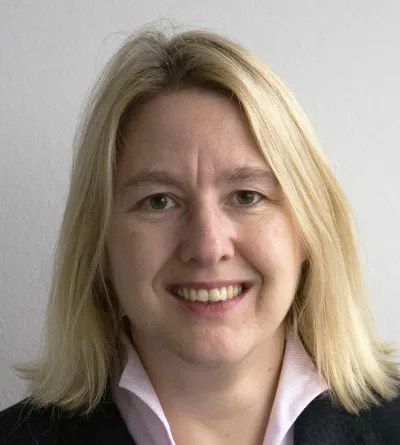
 These cellular libraries are the foundation for discovering and testing new therapeutics for severe forms of autism and epilepsy, conditions where conventional approaches fall short. 
 Founded at the Institute of Science and Technology Austria by Philipp Tschopp and team, Neurolentech turns neuroscience into a personalized and data rich discovery platform. 

 

More about Neurolentech
Image
neurolentech

NISTA.io

backed by fund I

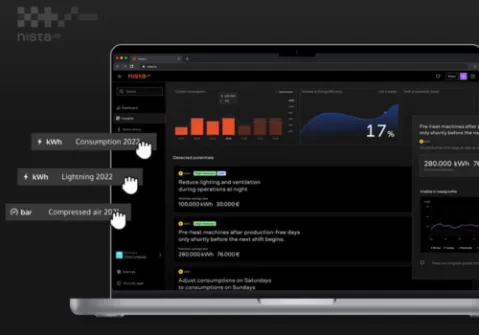
Industrial energy systems generate endless data but little insight. nista.io closes that gap with an artificial intelligence platform that transforms complex time series data into clear, actionable measures for reducing energy use and emissions. Their Energy Efficiency as a Service model replaces static audits with continuous improvement, aligning operational savings with environmental goals. Founded at TU Vienna by Anna Pölzl, Benjamin Mörzinger and Markus Hoffmann, nista.io builds digital infrastructure for sustainable industry.

More about NISTA.io
Image
nista

VitreaLab

backed by fund I
Industrial Tech

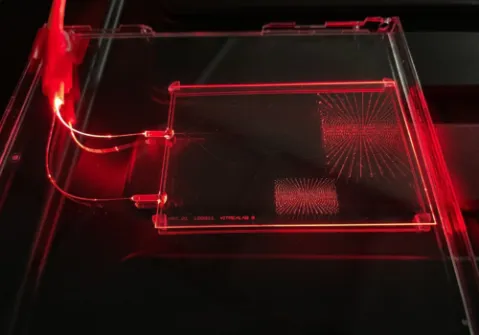
VitreaLab develops photonic light engines that replace conventional LEDs with laser light guided through microscopic waveguides inside glass. This creates brighter, more efficient and more color precise illumination for two dimensional screens, AR and VR devices and emerging three dimensional and holographic displays. 
The technology is based on controlling coherent laser light inside glass without losing polarization or spectral purity, a method inspired by quantum photonics. It offers a compact and stable source that can upgrade current display architectures and unlock entirely new ones. 
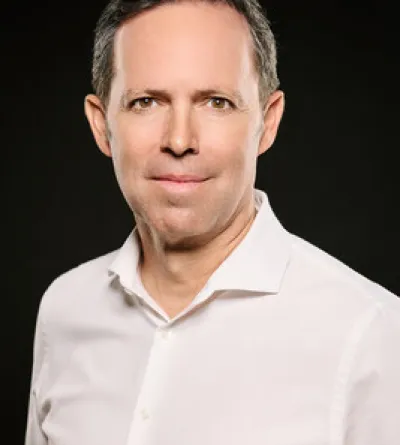
VitreaLab began as research at the University of Vienna in collaboration with the Politecnico di Milano. The team has since scaled the platform and is bringing its Quantum Light Engine into real world products. 


More about VitreaLab
Image
vitrealab

ReCatalyst 

backed by fund I
Industrial Tech

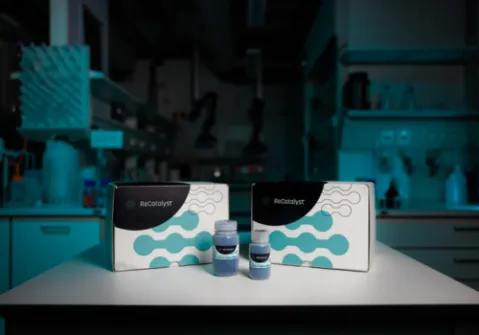
Fuel cells can decarbonize heavy transport if we reduce their reliance on platinum. ReCatalyst reengineers the catalyst, using intermetallic platinum alloy nanostructures that cut precious metal content while improving performance and lifetime. 
 This platform technology lowers cost barriers and accelerates the scale up of hydrogen powered systems. 

 Founded in 2021 by Tomaž Bizjak and Matija Gatalo as a spin off from the National Institute of Chemistry in Ljubljana, ReCatalyst transforms materials science into clean energy impact. 

 

More about ReCatalyst 
Image
recataylst

Cutanos

backed by fund I
Life Science

Vaccines are becoming cell-specific. Cutanos develops a new delivery platform that brings mRNA or antigens to one precise dendritic cell type, the Langerhans cells in the skin, to trigger strong immune activation or controlled tolerance where conventional approaches remain unspecific. 

The technology targets only these specialized immune sentinels, reducing off-target effects, lowering drug load and enabling needle free delivery through the upper layers of the skin. This creates a focused way to stimulate immunity for vaccines or calm it in autoimmune and allergic disease. 

Cutanos emerged from research in the laboratory of Christoph Rademacher at the Max Planck Institute of Colloids and Interfaces and the University of Vienna. Robert Wawrzinek, a key contributor to the platform, moved from academia to lead the company. Cutanos shows how selective access to the right immune cells can define a new generation of immunotherapies. 


More about Cutanos
Image
cutanos

Infrared City

backed by fund I
Industrial Tech

Climate simulation used to be a bottleneck in design. Infrared.city turns it into live feedback. Its artificial intelligence models, trained on thousands of urban simulations, predict light, wind and heat performance directly within design software. 
 The result is faster, evidence based decisions for resilient and low emission cities. 
 Spun out of the City Intelligence Lab at the Austrian Institute of Technology by Angelos Chronis, Oana Taut, Theodoros Galanos and Christos Chatzakis, Infrared.city brings environmental intelligence into the creative process. 


More about Infrared City
Image
infrered

Hephaistos Pharma

backed by fund I
Life Science

Many tumors remain invisible to the immune system. Hephaistos Pharma’s ONCO Boost is a natural TLR4 agonist that activates both innate and adaptive responses, helping the body recognize and attack solid tumors. 
 Backed by major European innovation grants including EIC Accelerator and BPIFRANCE, the company advances promising preclinical data that supports combination use with immunotherapies. 
 Founded in France by Martine Caroff, Alexey Novikov and Frédéric Caroff, Hephaistos builds on long standing expertise in innate immunity. 


More about Hephaistos Pharma
Image
hephaistos

new life science startup'

backed by fund I
stealth
Life Science

We’re currently supporting a fresh lifescience and health-tech company operating in full stealth mode. While we can’t share details yet, their work has the potential to reshape a key segment of the sector. Once they step out of stealth, you’ll find the full story here.

More about new life science startup'
Image
ls

Graph Tx

Life Science
On Site

GraphTX is advancing precision medicine for immune-mediated diseases, using AI-driven perturbation modeling on primary patient cells, combined with multiomics data, to uncover targeted therapies and biomarkers with real clinical potential.

More about Graph Tx
Image
grapht

new industrial tech start up*

stealth
backed by fund II
Industrial Tech

We’re currently supporting a pioneering industrial-tech company operating in full stealth mode. While we can’t share details yet, their work has the potential to reshape a key segment of the sector. Once they step out of stealth, you’ll find the full story here.

More about new industrial tech start up*
Image
is

Amplifold

backed by fund II
Life Science

Amplifold makes rapid diagnostic tests more sensitive.
While lateral flow tests are fast, affordable, and easy to use, they often fail to detect low levels of disease markers. Amplifold addresses this limitation with a DNA-origami–based signal amplification technology that boosts sensitivity by up to 100×, without changing the familiar test format or manufacturing process. This preserves the simplicity, low cost, and scalability that make rapid tests so widely used.

A spin-off from Ludwig Maximilians University Munich, Amplifold is industrializing its nature-published technology for seamless integration into existing diagnostic workflows.


More about Amplifold
Image
Amplifold

new life science startup_

stealth
backed by fund II
Life Science

We’re currently supporting a fresh lifescience and health-tech company operating in full stealth mode. While we can’t share details yet, their work has the potential to reshape a key segment of the sector. Once they step out of stealth, you’ll find the full story here.

More about new life science startup_
Image
ls

new life science startup

stealth
backed by fund II
Life Science

We’re currently supporting a fresh lifescience and health-tech company operating in full stealth mode. While we can’t share details yet, their work has the potential to reshape a key segment of the sector. Once they step out of stealth, you’ll find the full story here.

More about new life science startup
Image
ls

new industrial tech start up

stealth
backed by fund II
Industrial Tech

We’re currently supporting a pioneering industrial-tech company operating in full stealth mode. While we can’t share details yet, their work has the potential to reshape a key segment of the sector. Once they step out of stealth, you’ll find the full story here.

More about new industrial tech start up
Image
is

brainhero

backed by fund I
Life Science
Retired

Brainhero set out to make evidence based neurofeedback therapy accessible for children with autism spectrum disorder or ADHD by bringing certified EEG technology into the home. The team achieved important progress, including MDR approval for a complete mobile EEG system. While the company will not continue, its work and its people remain part of our community as a retired portfolio company. Brainhero’s contribution to at home neurotechnology adds insight and experience that strengthens the path for future innovators.

More about brainhero
Image
brainhero

brightmind.AI

backed by fund I
Life Science
Retired

Brightmind.AI aimed to give people living with migraine a practical and clinically grounded option for relief and prevention by developing a portable stimulation device for home use. The team explored how non invasive neuromodulation could move beyond clinics and into daily life. Although the company will not continue, its work remains part of our community as a retired portfolio company. Brightmind.AI advanced the understanding of at home brain stimulation and contributed valuable knowledge to the growing field of neuromodulation.

More about brightmind.AI
Image
brightmin

now


Now is the time to join the momentum. Here you’ll find the latest updates from across our ecosystem,  news releases, recent interviews, portfolio highlights, event updates, and everything happening in this moment. 

governance

How is XISTA governance structured?

Image

XISTA Innovation
XISTA Innovation is the tech transfer arm of the XISTA ecosystem. As wholly owned subsidiary of the Institute of Science and Technology Austria (ISTA), it advances the commercialisation of technologies and know-how developed at the institute.

More about
Image
Martin Hetzer

Martin Hetzer

President of ISTA

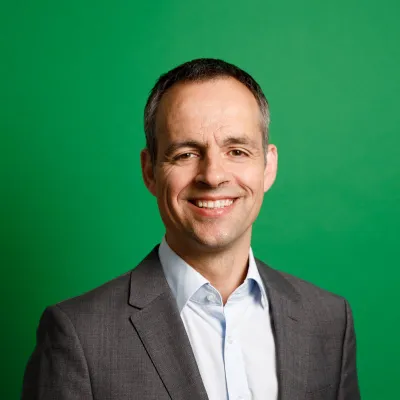
Since January 2023, Martin Hetzer is President of ISTA. Hetzer received his PhD in biochemistry and genetics from the University of Vienna (Austria), and completed postdoctoral work at the European Molecular Biology Laboratory (EMBL). He joined the faculty at the Salk Institute in 2004 and became a full professor in 2011. He has received numerous awards, including a Pew Scholar Award, an Early Life Scientist Award from the American Society of Cell Biology, a Senior Scholar Award for Aging from the Ellison Medical Foundation, 
Image
Georg Schneider

Georg Schneider

Managing Director of ISTA 

Georg Schneider is Managing Director of the Institute of Science and Technology Austria (ISTA), where he oversees finance, legal, human resources, and operations. With a doctorate in law and extensive experience in academic administration, he ensures that ISTA’s infrastructure and governance support world-class research. His leadership builds the foundation for innovation across the broader XISTA ecosystem. 

Image
Monika Henzinger

Monika Henzinger

Chairwoman of the Board of XISTA Innovation

 Monika Henzinger is a leading computer scientist whose research focuses on algorithms, data privacy, and web search. She brings both academic and industry expertise, having served as Research Director at Google and as Staff Scientist at Digital Equipment Corporation. Currently Vice President for Technology Transfer at ISTA, she combines scientific depth with strategic vision, guiding XISTA’s mission to connect research with innovation. 

  

Image
Bernd Bickel

Bernd Bickel

Board member of XISTA Innovation

Bernd Bickel is a computer scientist working at the intersection of computer graphics, biomechanics, and material science. As Professor and Research Group Leader at ISTA, he explores how digital models can be simulated and fabricated with precision. His research bridges computation and creativity, expanding the boundaries of how digital and physical worlds connect. 

Image
Regina Hodits

Regina Hodits

Board Member of XISTA Innovation

Regina Hodits is Managing Director at Angelini Ventures, the international biotech investment arm of Angelini Industries. With more than two decades of experience in life sciences venture capital, she has held leadership roles at Wellington Partners, Atlas Venture, Apax Partners, and McKinsey. She holds a PhD in biochemistry and has helped build multiple successful biotech companies across Europe and the United States. 

 

Image
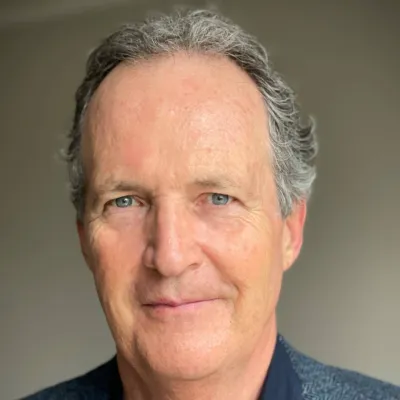
Heike Riel

Heike Riel

Board Member of XISTA Innovation

Heike Riel is an IBM Fellow and Head of Science & Technology at IBM Research, leading global work in quantum computing, nanotechnology, and neuromorphic systems. A physicist by training, she earned her PhD from the University of Bayreuth and is recognized as a pioneer in nanoscale electronics. She also serves on the Board of Trustees of ISTA, connecting frontier science with technological innovation. 
 

Image
Rainer Reich

Rainer Reich

Board member XISTA Innovation

Rainer Reich is an investor and business angel with a distinguished career in consulting and the energy sector. He spent 15 years as a Partner at the Boston Consulting Group, leading international strategy projects, and previously held senior roles in the energy industry. Holding degrees in law and economics from the University of Vienna and Johns Hopkins University SAIS, he brings strategic insight and operational experience to XISTA’s development.

Image

XISTA Science Ventures
XISTA Science Ventures is the independent venture arm of the XISTA ecosystem. We invest in science-driven companies built on deep research, with a focus on human health and industrial technologies.
Fund I is fully deployed; Fund II is now actively investing. In total, XISTA is close to EUR 100mln assets under management. Combining scientific insight with entrepreneurial experience, we support founders from the earliest stages and help them translate discovery into lasting impact.
More about
Image
XISTA Science Ventures

XISTA Science Ventures

Impressum

XISTA Science Ventures Management GmbH is an Alternative Investment Fund Manager (AIFM) registered with the Austrian Financial Market Authority (FMA) pursuant to § 1 (5) 1 AIFMG and a member of the Lower Austria Chamber of Commerce, professional group “Financial Services Providers.” Sustainability Disclosure (SFDR) 
 XISTA Science Ventures Management GmbH fulfils all disclosure obligations under the Sustainable Finance Disclosure Regulation (SFDR) and § 5 of the E-Commerce Act (ECG). 
 XISTA Science Ventures Management GmbH 
 Plöcking 1, 3400 Klosterneuburg, Austria 
office@xista.vc 


Image

xista science park
The XISTA Science Park is a technology and research center jointly developed by ecoplus, the Business Agency of Lower Austria, and the Institute of Science and Technology Austria (ISTA).

More about
Image
ecoplus - business agency lower Austria

ecoplus

Ecoplus

The XISTA science and technology park providing infrastructure including fully equipped biology and chemistry labs is jointly jointly developed by ecoplus, the Business Agency of Lower Austria, and the Institute of Science and Technology Austria (ISTA). It provides state-of-the-art laboratories and offices for research-driven companies at the interface of academia and industry. 

ecoplus operates 16 business parks across Lower Austria and supports companies through networking, location development, and internationalisation services. 

Image
EFRE

EFRE

-

The construction of the XISTA Science Park, with a total investment volume of approximately €15 million, is co-funded by the European Regional Development Fund (EFRE). 
 More information about EFRE can be found at www.efre.gv.at. 


faqs

Most frequent aksed questions

I have research results. How do I know if they could become a product or service?

XISTA helps you analyse the market potential of your discovery. Through XISTA Innovation, we assess intellectual property, explore licensing or spin-off options, and define the next steps toward real-world application. 


I am unsure how to handle patents or publications. What should come first?

XISTA guides researchers through the full IP process, from invention disclosure to patent filing and licensing. We help you protect results early while keeping your publishing goals on track. 

The regulatory environment in my field is complex. How can I prepare for it?

XISTA connects you with experts who understand regulatory pathways in biotech, medtech, and industrial technologies. We help you integrate compliance planning early, saving time and cost later. 

Where can I find both capital and credible partners for my startup?

XISTA combines early-stage funding through XISTA Science Ventures with access to mentors, researchers, and corporate partners. We help you secure investment and build strong foundations for growth. 

I have a prototype but no clear market entry plan. Can XISTA help?

We can explore this together, but the next steps depend on more than having a prototype. When we evaluate a project, we look at the underlying technology, the strength of the intellectual property, the market potential, and whether there is a realistic path to building a scalable business. If these elements align, we can support founders in shaping their strategy and connecting them with the right expertise. If they do not yet align, we can still offer feedback on how to strengthen the case for a successful entry into the market.

How can we access new technology that fits our R&D pipeline?

XISTA matches industrial partners with emerging technologies from ISTA and startups in the ecosystem. We facilitate licensing, pilot collaborations, and long-term research partnerships. 


How do XISTA Science Ventures investments differ from other early-stage funds?

We focus entirely on deep-tech companies that originate from solid science. Our team brings together research experience, IP expertise and venture building skills, so we can evaluate technologies in detail and support founders well beyond the first financing round. We invest when the underlying science is verified, the intellectual property is defensible and the path to a real product is credible, and we stay engaged through Fund I and Fund II with a long-term view.

How does XISTA contribute to regional and national innovation capacity?

XISTA connects public research, private capital, and infrastructure. Together with institutional partners, we build lasting frameworks that translate science into economic and societal value. 

What kind of ongoing support do XISTA portfolio companies receive after investment?

Startups in the XISTA ecosystem gain access to communications guidance, investor preparation, and technical resources through the XISTA Science Park. We stay engaged as companies scale. 


What programmes does XISTA offer for early-stage founders and researchers?

XISTA runs dedicated programmes that help scientists become entrepreneurs. XBio supports life science founders from first experiments to investor readiness. Quantum iLab connects quantum and photonics projects with business expertise. XISTA Fellowships give researchers time and mentorship to develop venture ideas. 

contact us

Would you like to learn more about XISTA or explore partnership opportunities?
Write to us and we will get back to you.

Information on data protection, your rights and our contact details may be found here.